
Pequeños tesoros de la Frick Collection (Small Treasures from The Frick Collection).


Museo de Arte de Ponce
March 17 through August 6, 2018

 This spring, The Frick Collection is pleased to collaborate with Puerto Rico's Museo de Arte de Ponce on an upcoming exhibition. Starting March 17 and running through August 6, 2018, Museo de Arte de Ponce presents Pequeños tesoros de la Frick Collection (Small Treasures from The Frick Collection). The intimate show of ten works, mostly on paper, includes an engraving, a watercolor, four drawings and four oil sketches. They cover four centuries of artistic production, from Albrecht Dürer's 1514 engraving, Melencolia I, (below)
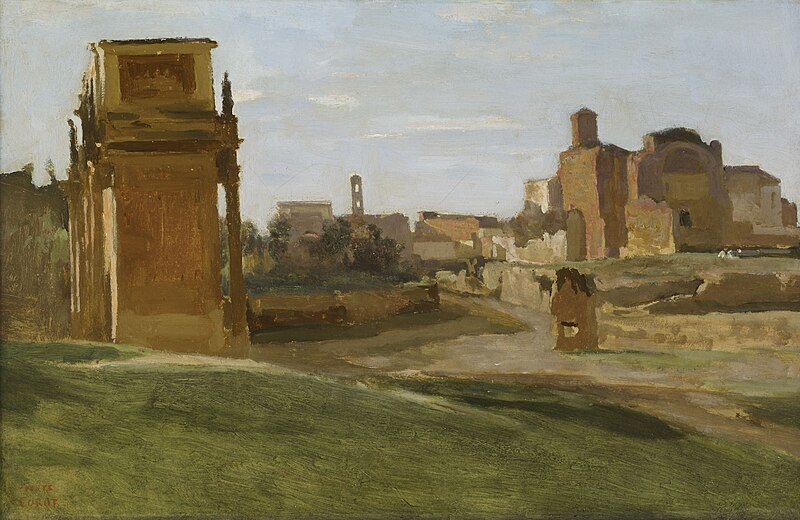
File:Jean-Baptiste Camille Corot - L'arc de Constantin et le forum.jpg

 to Jean-Baptiste-Camille Corot's 1843 oil sketch, The Arch of Constantine and the Forum, Rome

Additional artists represented in the show include Claude Lorrain, John Constable, Francisco Goya, and Eugène Delacroix.
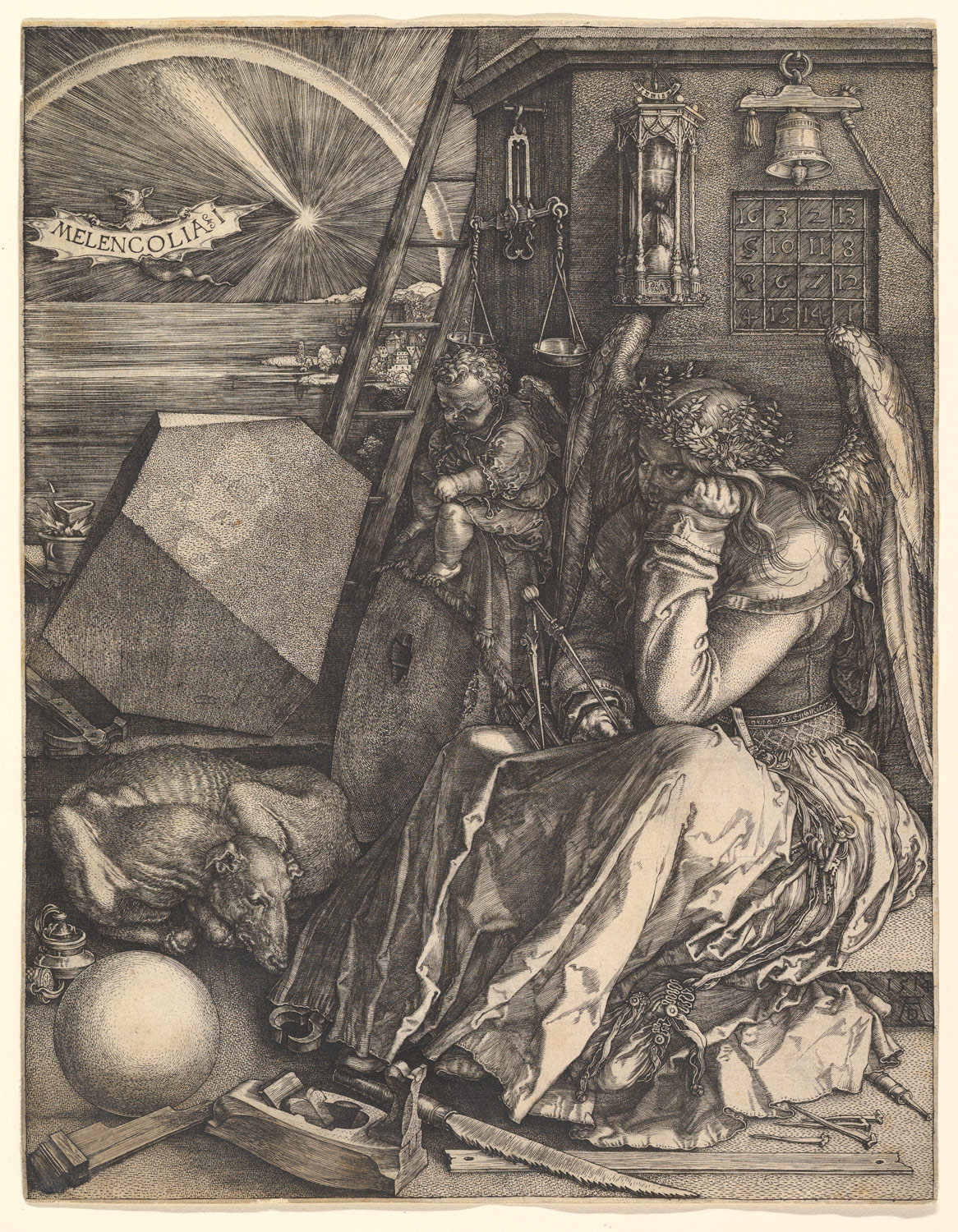
Melencolia I

Albrecht Dürer (1471–1528), Melencolia I, 1514, Engraving, printed in black ink on cream-colored antique laid paper, 9 1/2 x 7 7/16 inches, The Frick Collection, New York

Comments

Popular posts from this blog

Vatican Micromosaic of Saints Valeria and Martial, Rediscovered Masterpiece

Vatican Micromosaic of Saints Valeria and Martial Everyone loves a good story. In the realm of fine art and antiques, a good story, or what we call “provenance”, has the power to take a work of art from exceptional to awe-inspiring. In terms of workmanship, subject matter and sheer size, this incredible micromosaic detailing the Biblical story of Saints Valeria and Martial has it all. Measuring over 10 feet tall, the precision and detail required to execute such a piece is baffling. Combined with the high cost of materials, micromosaics of this immense size and artistry are beyond rare. When you factor in its provenance of being crafted by the prestigious Vatican’s Mosaic Studio and displayed in St. Peter’s Basilica, you’re dealing with an undeniable masterpiece of historical significance. It took a team of seven skilled mosaicists over two and a half years to complete this majestic masterpiece. Given that Vatican relics, especially ones on such a grand scale as this, almost never lea...

Klimt and Schiele: Drawn

Museum of Fine Arts, Boston February 25 through May 28, 2018 Marking the centenary of the deaths of Gustav Klimt (1862–1918) and Egon Schiele (1890–1918), the Museum of Fine Arts, Boston (MFA), presents a special exhibition of drawings on loan from the Albertina Museum in Vienna. Klimt and Schiele: Drawn , on view from February 25 through May 28, 2018 in the Lois B. and Michael K. Torf Gallery, examines the separate, yet parallel experiences of the acclaimed Austrian modernists, as well as the compelling ways in which their work relates—particularly in their provocative depictions of the human body. Organized thematically, the selection of 60 works on paper extends from the artists’ early draftsmanship to explore how each shifted away from traditional training to more incisive and unconventional explorations of humanity over the course of their careers. The MFA is one of three museums—and the only U.S. venue—hosting exhibitions of the Albertina’s rarely loaned drawings b...

Delacroix (1798–1863) at the Louvre

Musée du Louvre, Paris  March 29, 2018 to July 23, 2018 This exhibition is organized by the Musée du Louvre, Paris, and the Metropolitan Museum of Art, New York.  http://presse.louvre.fr/delacroix-1798-1863-2-en/ Eugène Delacroix was one of the giants of French painting, but his last full retrospective exhibition in Paris dates back to 1963, the centenary year of his death. In collaboration with the Metropolitan Museum of Art in New York, the Louvre is holding a historic exhibition featuring some 180 works—mostly paintings—as a tribute to his entire career. From the young artist’s big hits at the Salons of the 1820s to his final, lesser-known, and mysterious religious paintings and landscapes, the exhibition will showcase the tension that characterizes the art of Delacroix, who strove for individuality while aspiring to follow in the footsteps of the Flemish and Venetian masters of the 16th and 17th centuries. It will aim to answer the questions raised by De...